Governing the Commons in the Rhine Delta
Despite centuries of water management, many Dutch waters fail to meet EU quality standards. This project aims to learn from early modern urban democratic practices surrounding water quality to better counter contemporary water pollution. Early modern cities took many measures to control water quality. However, these policies and practices are barely studied. What measures did they take? How were citizens involved in initiating and enforcing policies and practices? What insights do these historical examples provide for rethinking contemporary water governance?
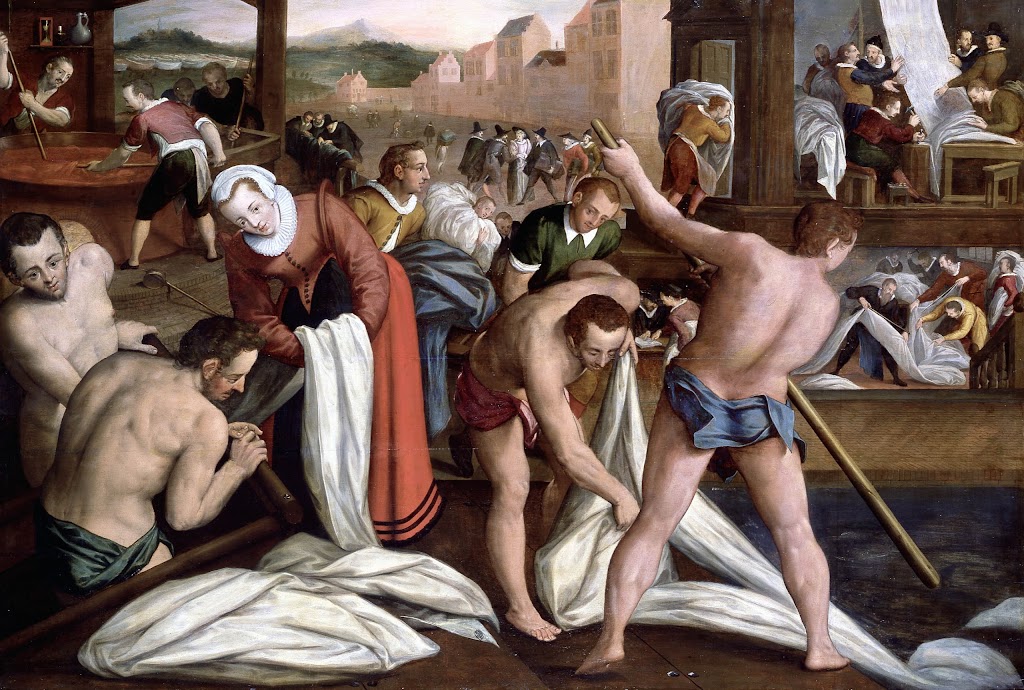
In 1527, a cloth dyer in Dordrecht was banned from discharging dye into the harbour harming fish. Similar measures appeared across other cities, likely initiated and enforced by civic collectives such as guilds, neighbourhoods, and urban officials. Moreover, local water use shaped communities and governmental structures, as seen in Nijmegen’s neighbourhoods forming around freshwater wells. As the way water is perceived and managed changes overtime, local histories of cities in the Rhine Delta prompt us to ask how early modern cities governed clean water as a shared resource.
Clean water is a common good vulnerable to self-interest, a tragedy that both public and private institutions can counter. While historians have often highlighted water boards as successful participatory institutions, urban governance of water quality remains understudied. Historians have argued that forms of democratic participation have emerged, notably through petitions, long before the French Revolution. Early modern urban governments, facing rapid growth without strong state support, tended to improvise solutions preferably at the lowest governmental level. To learn from the past, we must investigate these day-to-day governmental practices from a wide range of (archival) sources. These practices are linked to current theories of community-based environmental governance.